
The Allure of Chance
The thrill of uncertainty is a primary factor that draws players to casino games. Humans have an innate fascination with chance, which often leads them to chase the unpredictable nature of winning. Games of chance, such as roulette and slots, offer a unique blend of excitement and trepidation, where each spin of the wheel or pull of the lever can lead to significant rewards. For those seeking instant gratification, an online casino fast withdrawal option can enhance the overall gaming experience, making it even more enticing. This unpredictability triggers dopamine release in the brain, reinforcing gambling behavior and solidifying its appeal. The anticipation of a win creates a compelling emotional experience that can be exhilarating, encouraging players to return time and again.
Moreover, the concept of risk plays a crucial role in the psychology of gambling. Many individuals are hardwired to seek out risk, often deriving satisfaction from the adrenaline rush associated with potentially losing or winning. Casinos exploit this psychological trait by designing games that heighten suspense and anticipation. The lights, sounds, and engaging visuals of casino environments create a sensory overload that captivates players, making them more likely to stay engaged and invested in the experience. The atmosphere is designed to amplify the stakes, encouraging players to embrace the risk in hopes of achieving a thrilling win.
This interplay between excitement and risk explains why players often overlook the odds stacked against them. Cognitive biases, such as the illusion of control, lead individuals to believe they can influence outcomes or predict winnings. For instance, players may develop strategies around games, convinced that their choices can tip the odds in their favor. Such beliefs perpetuate gambling habits as they engage in future bets, convinced they can beat the odds. Therefore, the combination of these psychological factors makes casino games an enticing venture for many, despite the inherent risks involved.
The Role of Environment
The physical design of a casino is meticulously crafted to enhance the gaming experience and influence player behavior. The layout is intentional, often leading players through a maze of sounds, lights, and visual stimuli that create an immersive atmosphere. This environment is purposefully disorienting, encouraging players to lose track of time and become more engrossed in the games. Comfortable seating, free drinks, and a lack of clocks further contribute to this experience, fostering a sense of relaxation that can lead to prolonged gambling sessions. The ambience is carefully curated to ensure that players feel at ease, allowing them to immerse themselves fully in the gaming experience.
Additionally, the use of colors and themes in casino decor is no mere coincidence. Research shows that certain colors can evoke specific emotions or behaviors; for instance, red is often associated with excitement and energy, making it popular in gambling spaces. Similarly, the presence of loud sounds, such as clinking coins or celebratory jingles, reinforces the idea of winning, creating a feedback loop that encourages players to continue engaging with the games. This sensory environment not only enhances enjoyment but also helps to condition players into returning for more, as positive associations with the environment are formed over time.
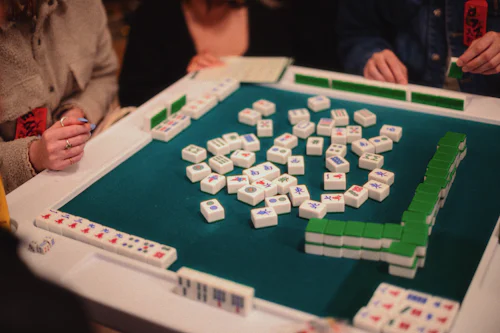
The strategic placement of machines and tables plays a significant role in encouraging longer play times. By clustering popular games together and ensuring that new or lost players encounter them frequently, casinos can draw patrons back to their favorite games. This strategic positioning taps into players’ behavioral tendencies, keeping the thrill of chance and the prospect of reward fresh in their minds, which can lead to extended gaming sessions and increased spending. The overall design fosters a sense of belonging, where players feel connected to both the games and the environment around them.
The Psychology of Winning and Losing
Winning at casino games can trigger a powerful emotional response, leading to feelings of elation and validation. This phenomenon is closely tied to the psychological principle known as the “near miss,” where a player comes close to winning but falls short. Near misses can be particularly motivating, as they keep players engaged by suggesting that victory is attainable. The emotional rollercoaster, evoked by the ups and downs of winning and losing, creates a compelling cycle that keeps players coming back for more. Each near miss serves as a reminder of the potential for success, reinforcing the desire to continue playing.
On the flip side, the experience of losing can also be psychologically impactful. Many players experience a phenomenon known as loss aversion, where the pain of losing is felt more acutely than the joy of winning. This psychological response can lead players to chase their losses, a behavior that often results in continued gambling in a desperate attempt to recover lost funds. Understanding this dynamic is key to grasping why many individuals find it challenging to quit gambling, as they may prioritize the desire to regain losses over rational decision-making. This relentless pursuit can lead to a cycle of despair and increased stakes.
The mind’s ability to rationalize these behaviors plays a significant role in the psychology of gambling. Players often develop narratives around their gambling experiences, framing losses as merely temporary setbacks rather than a long-term risk. This self-justification allows them to continue playing, even in the face of significant losses. The combination of emotional highs from wins and the psychological need to recover from losses creates a potent mix that perpetuates gambling habits among many individuals. Ultimately, the psychological landscape of winning and losing is complex, influencing how players perceive their experiences and make future decisions.
The Social Aspect of Gambling
While many associate casino games with solitary play, the social aspect of gambling is equally significant. Casinos often create a social environment where players can interact, share experiences, and build connections. This community feel can enhance the overall experience and encourage longer play as players bond over shared excitement and camaraderie. The presence of other players can amplify emotions, creating an atmosphere of mutual encouragement, where wins are celebrated collectively, and losses provide a shared understanding. This social dynamic becomes a crucial part of the gambling experience, making it more than just a game of chance.

This social interaction extends to online gambling platforms as well, where chat functions and live dealer games allow for real-time communication among players. The ability to connect with others while participating in games adds an additional layer of engagement and enjoyment, often enticing players to participate more frequently. Furthermore, social connections can make the experience feel less risky, as players feel supported and uplifted by their peers. This sense of community can be a double-edged sword, as it can both enhance enjoyment and lead to riskier behaviors.
However, the social aspect can also introduce challenges, particularly for individuals susceptible to gambling addiction. Peer pressure and the desire to fit in can lead players to engage in riskier behavior, betting more than they normally would in an effort to maintain their reputation or social standing. Understanding the dual nature of social interactions in gambling contexts is crucial for recognizing how they can enhance or hinder responsible gambling practices. The balance between social enjoyment and personal responsibility is vital for a healthy gambling experience.
Understanding Responsible Gambling on Our Website
Our website aims to provide valuable resources and information on responsible gambling practices. By promoting awareness of the psychological aspects of gambling, we seek to empower players to recognize their behaviors and make informed decisions. It is essential for players to understand their motivations and emotions related to gambling, which can facilitate healthier habits and greater enjoyment of the games without falling into detrimental patterns. We believe that knowledge is a powerful tool in fostering a positive gambling environment.
We advocate for a balanced approach to gambling that prioritizes safety and enjoyment. Through educational articles, expert advice, and community support, our platform encourages individuals to engage with casino games mindfully. We believe that understanding the psychology behind gambling can be a significant step towards fostering responsible gaming environments that benefit players and the industry alike. Resources on our site provide insights into managing emotions and setting limits, ensuring that gambling remains a form of entertainment rather than a source of stress.
In conclusion, exploring the psychology behind casino games can provide players with a deeper comprehension of their experiences and motivations. By fostering an awareness of the various psychological factors at play, we can help ensure that gambling remains a fun and entertaining pastime, rather than a source of stress or addiction. Our website is dedicated to supporting individuals in their gambling journeys, promoting healthy and responsible gaming for all. We encourage players to engage with our resources and take proactive steps towards mindful gambling practices.